What should you look for in a camera? Start with five questions
Choose a camera by defining your use case, then checking the sensor, lens system, autofocus, video, handling, and total system budget.
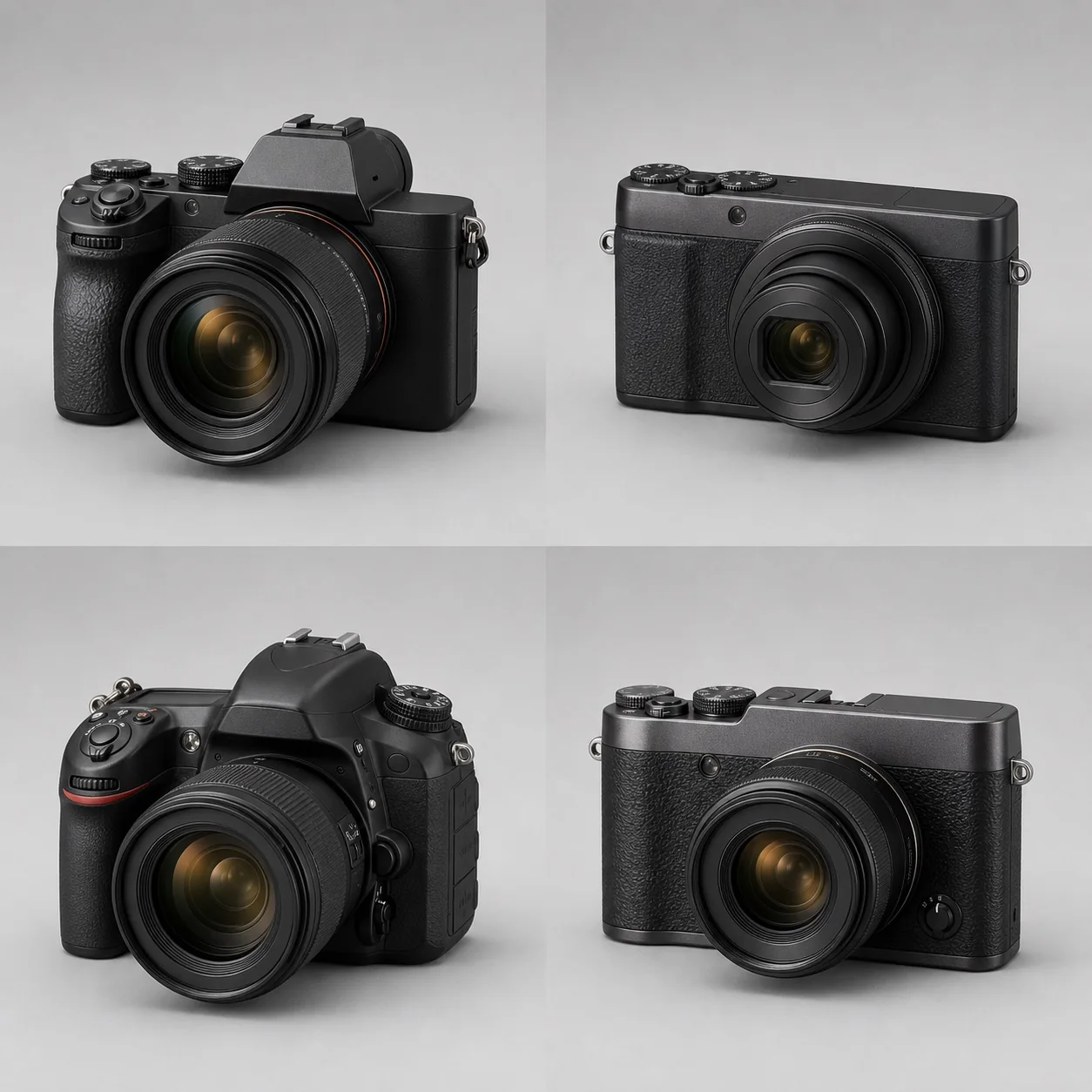
Choose a camera by defining your use case, then checking the sensor, lens system, autofocus, video, handling, and total system budget.
Megapixels are not the starting point. First define what you shoot and how much equipment you will carry, then compare sensors, lenses, autofocus, and video in the context of those needs. The right camera is one you will take with you while still leaving room in the budget for the lenses you need.
1. What do you shoot most often?
Writing your main use in one sentence is more useful than choosing a brand first. Different subjects reward different features:
- Travel and street: Prioritize total kit weight, body size, stabilization, and compact lenses in the focal lengths you use.
- Family and everyday: Subject detection, pleasing output, an articulated screen, and quick operation often matter more than ultimate image quality.
- Sports and wildlife: Continuous autofocus, burst duration, the viewfinder, and available telephoto lenses are central.
- Portrait and commercial: Check skin tones, flash support, tethering, lens quality, and post-processing headroom.
If your uses overlap, choose the one that represents most of your photographs and add one secondary need that cannot be compromised. No camera leads simultaneously in price, image quality, speed, and portability.
2. How large a system will you carry?
Do not compare body weight alone. Add the everyday lens, spare battery, strap, and bag to find the real carrying cost. A small body paired with a large constant-aperture zoom can still produce a heavy kit.
Handle shortlisted bodies in person when possible, fitted with the lens you expect to buy. Check the grip, buttons, dials, menus, screen, viewfinder, and battery access. These details affect every session and cannot be understood fully from a specification table.
3. Does the lens system fit your present and future needs?
Bodies are replaced; lenses often stay with you longer. Before choosing a body, list one lens you need now and two you may add later. Check mount and format compatibility, focal length, maximum aperture, price, weight, and availability.
A discounted body is not a good value if the lenses you need are unavailable or exceed the total budget. If you are unsure about sensor format, start with the full-frame and APS-C guide.
4. Do autofocus, burst, and video features match the job?
For people, pets, and action, look for reliable recognition, low-light focus, and continuous tracking, not just the maximum burst rate. Buffer depth, card write speed, and the viewfinder during a burst also affect the number of usable frames.
For video, a simple “4K” label says very little. Check whether your preferred resolution and frame rate are cropped, plus record limits, heat, rolling shutter, stabilization, and microphone and headphone ports. If you do not shoot video, avoid sacrificing budget or portability for features you will not use.
5. What is the complete system budget?
The budget should include more than the body. For a first kit, a useful starting point is 50% for the body, 35% for the lens, and 15% for cards, a spare battery, strap, bag, and basic upkeep.
This is not a fixed rule. Existing lens owners, wildlife photographers who need a specialist telephoto, and video creators who need audio and support equipment will allocate money differently. Compare two or three complete kits, including essential accessories, rather than body prices alone.
Final checklist before buying
- Size and weight remain comfortable with the everyday lens attached.
- The lenses you need are available now and included in the total budget.
- Autofocus, video, and ports fit your main use, not merely a better specification sheet.
- You checked the full manufacturer specification, regional model name, and warranty.
- Budget remains for batteries, storage, and the equipment needed to carry the camera.
Once you know your preferred sensor, resolution, and weight range, use the camera finder to narrow the field, then handle the finalists in person. A promotion can affect when you buy, but it should not decide what you need.