Reasons to choose EasyShare V1253
Released in 2007, EasyShare V1253 has about 42 mm² of sensor area, 12 MP effective resolution, and a 155 g body. Use these values to narrow the field, not as an overall image-quality score.

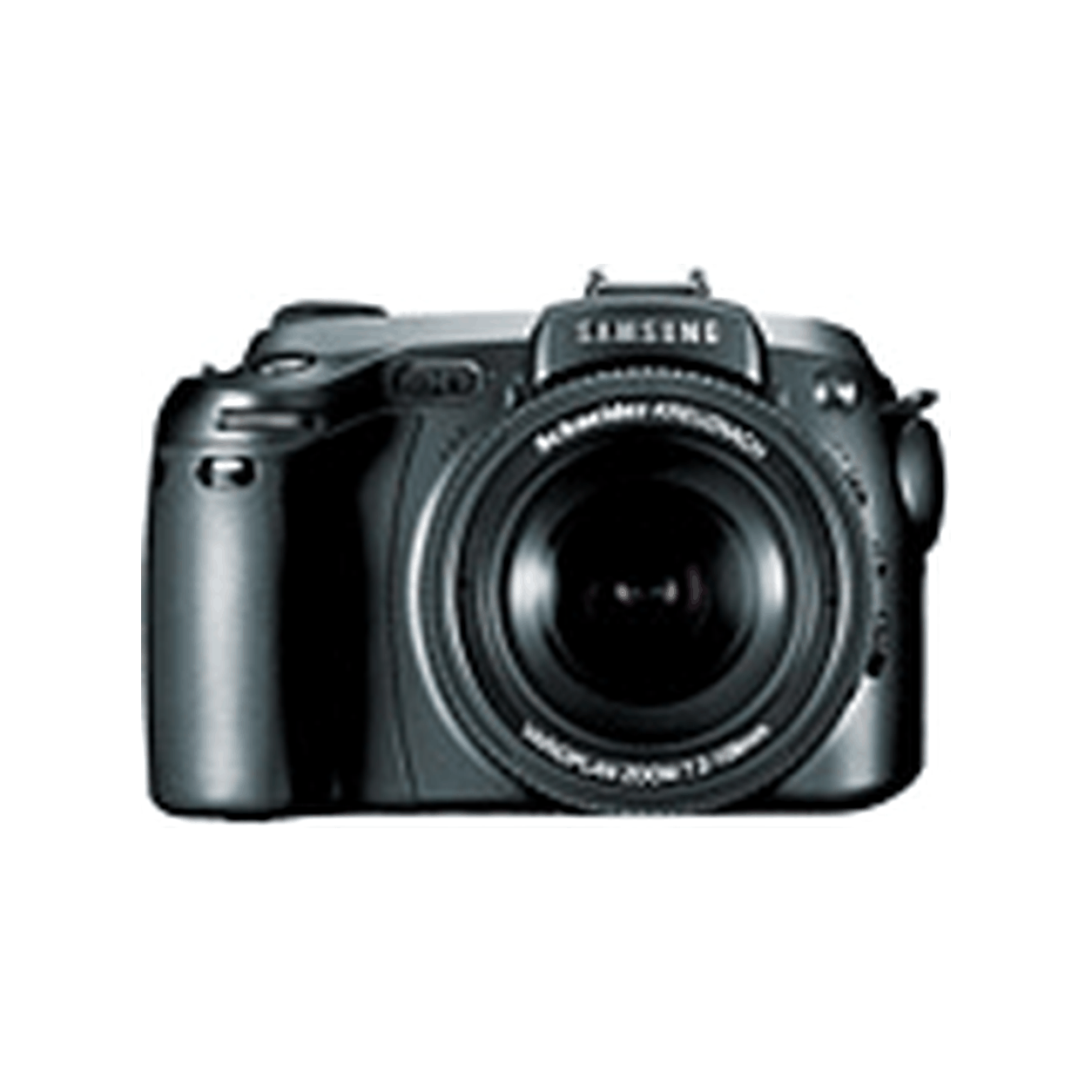
The Pro815 has the larger sensor area. More area usually means greater light-gathering potential, though real image quality still depends on sensor architecture and generation.
These cameras were released 2 years apart. Consider sensor generation when comparing pixel metrics.
Amber marks the value that is generally preferable in this comparison context. It is not an overall camera score.
The Pro815 has the larger sensor area. The EasyShare V1253 has the lighter body. The EasyShare V1253 has the higher effective resolution. The EasyShare V1253 is the newer release. Also consider the lens system and subjects you shoot.
Released in 2007, EasyShare V1253 has about 42 mm² of sensor area, 12 MP effective resolution, and a 155 g body. Use these values to narrow the field, not as an overall image-quality score.
Released in 2005, Pro815 has about 58 mm² of sensor area, 8 MP effective resolution, and a 910 g body. Use these values to narrow the field, not as an overall image-quality score.